
Plug-in solar is now legal in Great Britain, but most people don’t know how it works
Plug-in solar became legal in Great Britain in August. Three months on, two thirds of Britons have either never heard of it or don’t know how it works. Yet 61% say they’re likely to buy a kit in the next two years.
We surveyed 500 nationally representative Britons to explore awareness, attitudes and appetite for plug-in solar kits, including systems with battery storage.
The findings point to a market where interest is running ahead of understanding. Consumers are drawn to the idea of lower bills and backup power, but upfront cost, high expectations of savings and low awareness of the rules could all stop that interest turning into purchases. Three quarters of people don’t know what the rules are, even though the product is now legal to buy.
For energy suppliers, network operators and other organisations in the sector, that gap is both a challenge and an opportunity.

Interest is high, despite low awareness
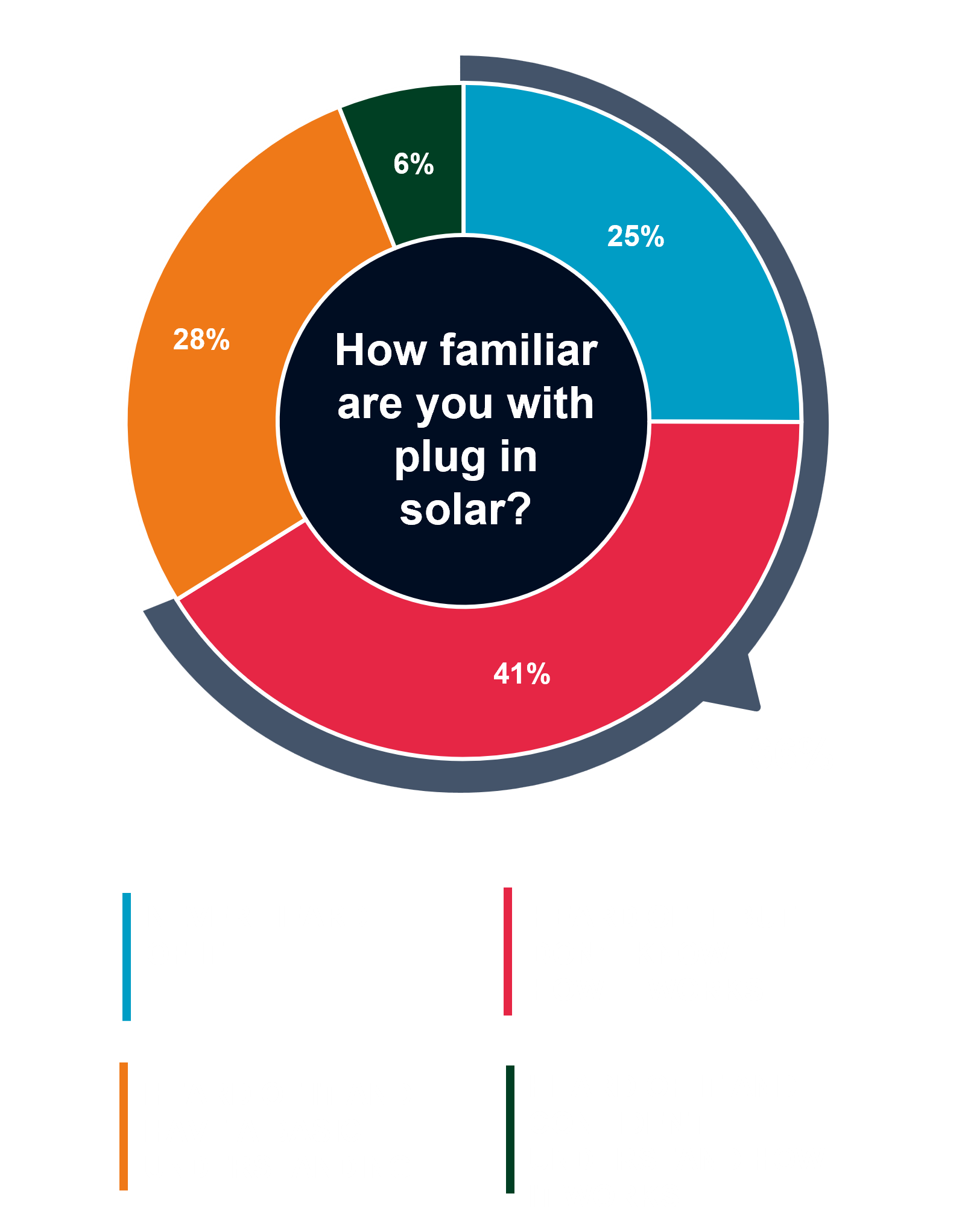
Two thirds (66%) of people have either never heard of plug-in solar or don't know how it works. There is also a notable gender divide: women are more than twice as likely as men to say they have never heard of the technology (34%, compared with 16%).
Despite this limited awareness, 61% of respondents said they were very or fairly likely to buy a plug-in solar kit in the next two year once they had a basic understanding of the concept.
Perhaps most interestingly, this includes 40% of people who had never heard of plug-in solar before taking part in the research.
Interest is particularly strong among younger people. More than three quarters (77%) of 18–35-year-olds said they were likely to buy a kit, compared with 46% of those aged 55 and over.
There are signs elsewhere that this kind of interest can turn into real demand. In Germany, where plug-in solar has been common for years, around half a million new devices were plugged in during 2025 alone, according to the UK government.
Our findings highlight the importance of clear, accessible information to help consumers understand what plug-in solar is, how it works and what benefits it could offer.
Battery storage adds to the appeal
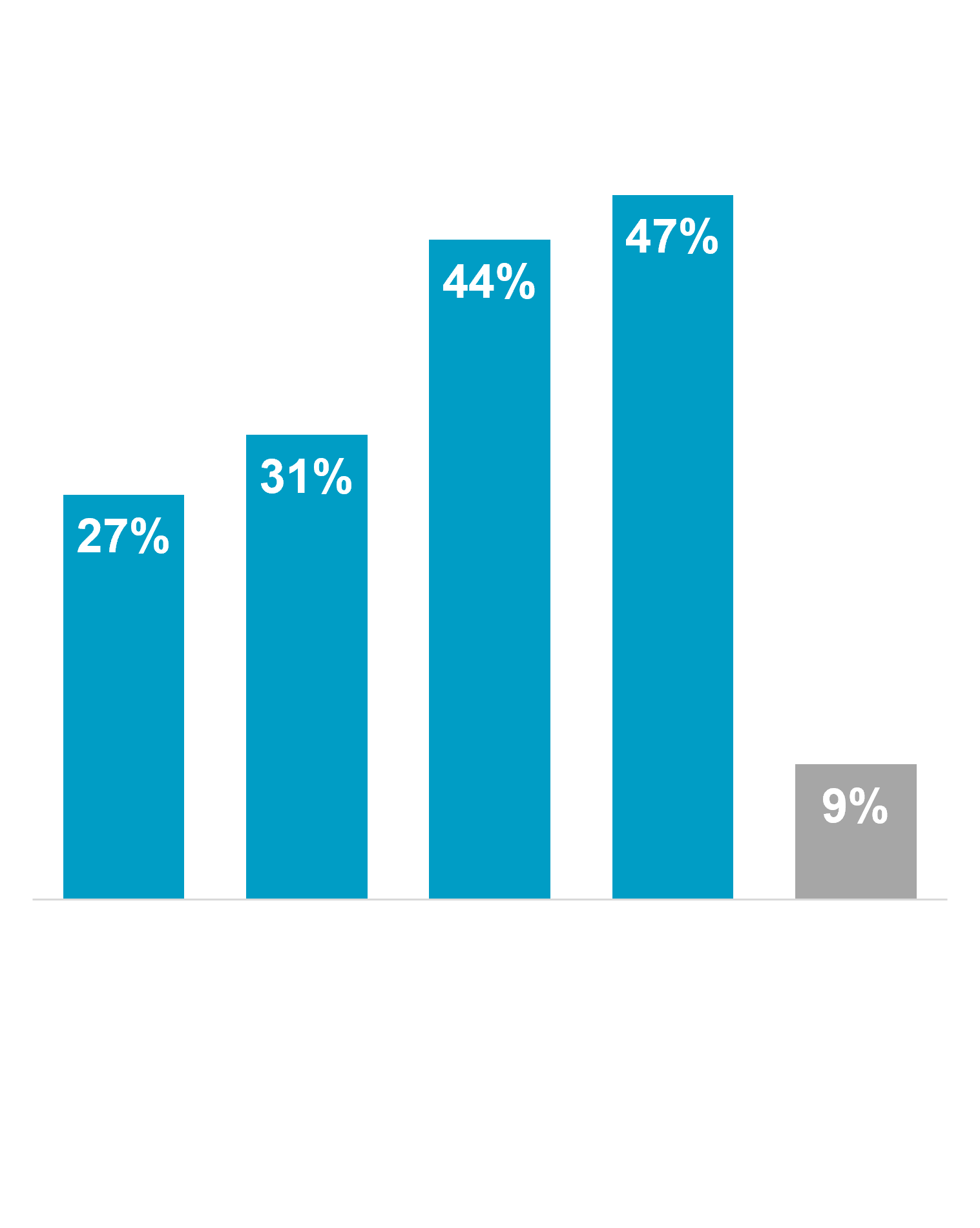
Interest increases further when plug-in solar is combined with a small battery so that electricity can be stored for further use. Three quarters (75%) of respondents expressed an interest in a kit that includes a battery.
The main reasons for this interest were:
• Reducing household energy bills (47%).
• Having backup power available (44%).
The potential to maintain access to power during an outage is also an important consideration. The risk of power cuts makes a plug-in solar and battery option more appealing to 73% of respondents.
This suggests that consumers are not necessarily viewing these technologies solely as a way to generate cheaper electricity. For many, the potential to improve household energy resilience is also part of the attraction.
As households become increasingly reliant on electricity, the combination of lower bills and greater energy security could become an important driver of interest in new technologies.
75%
of respondents expressed an interest in a kit that includes a battery
Saving money isn’t the biggest motivation
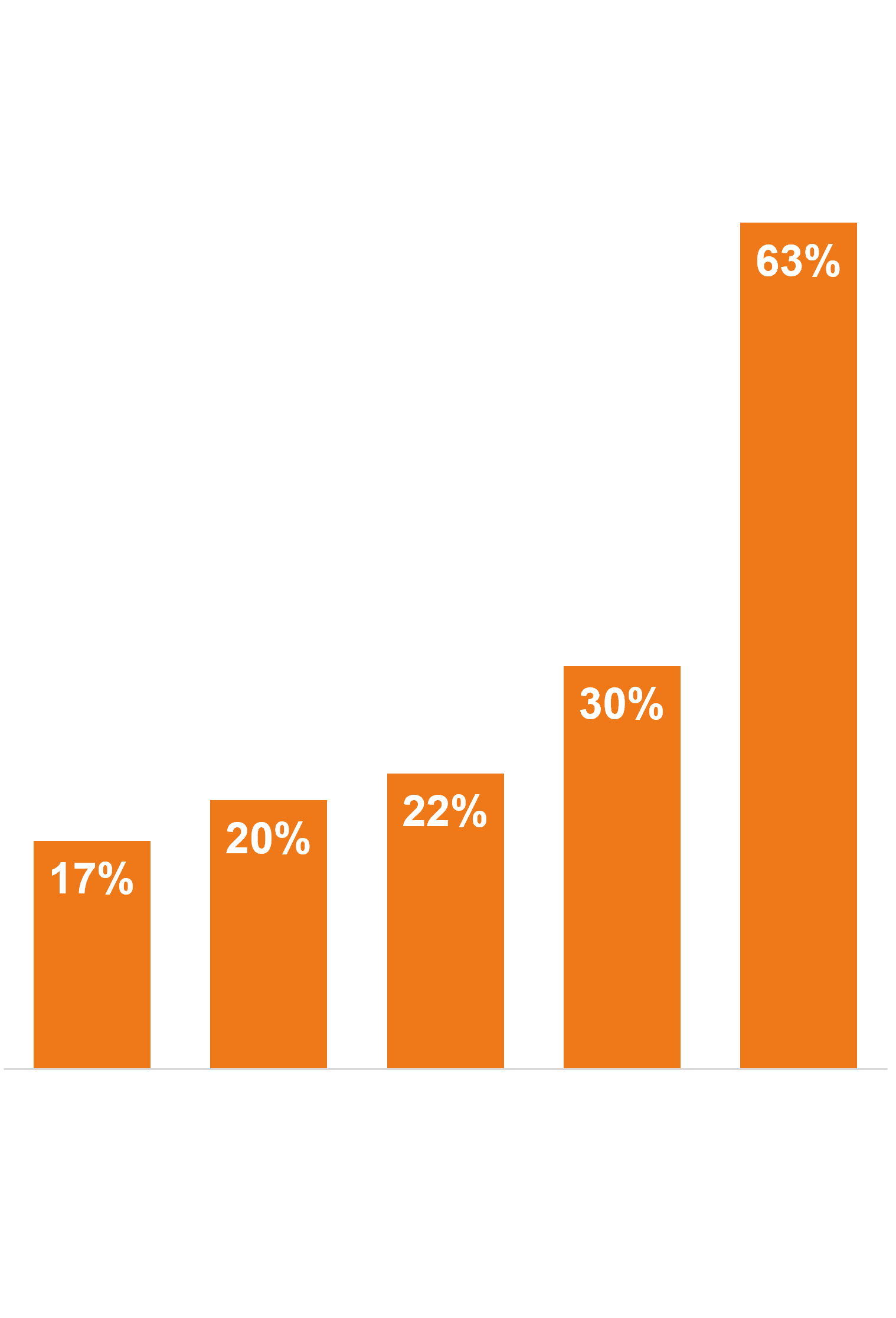
While environmental benefits may form part of the appeal, the primary motivation for considering plug-in solar is financial.
Almost two thirds (63%) of respondents said reducing their energy bills would motivate them to buy a kit. This is three times the proportion who selected helping the environment (20%).
However, motivations vary between generations. Younger people are more likely to consider the environmental benefits, with 33% of 18–35-year-olds selecting this as a motivation, compared with just 12% of those aged 55 and over.
This reinforces the importance of understanding different consumer priorities. While some households may be attracted by the opportunity to reduce their energy costs, others may place greater value on sustainability and reducing their environmental impact.
For organisations looking to encourage the adoption of low carbon technologies, the findings suggest that a single message may not resonate with everyone.
Upfront cost and uncertainty could hold adoption back
Despite the strong appetite for plug-in solar, cost remains the biggest barrier.
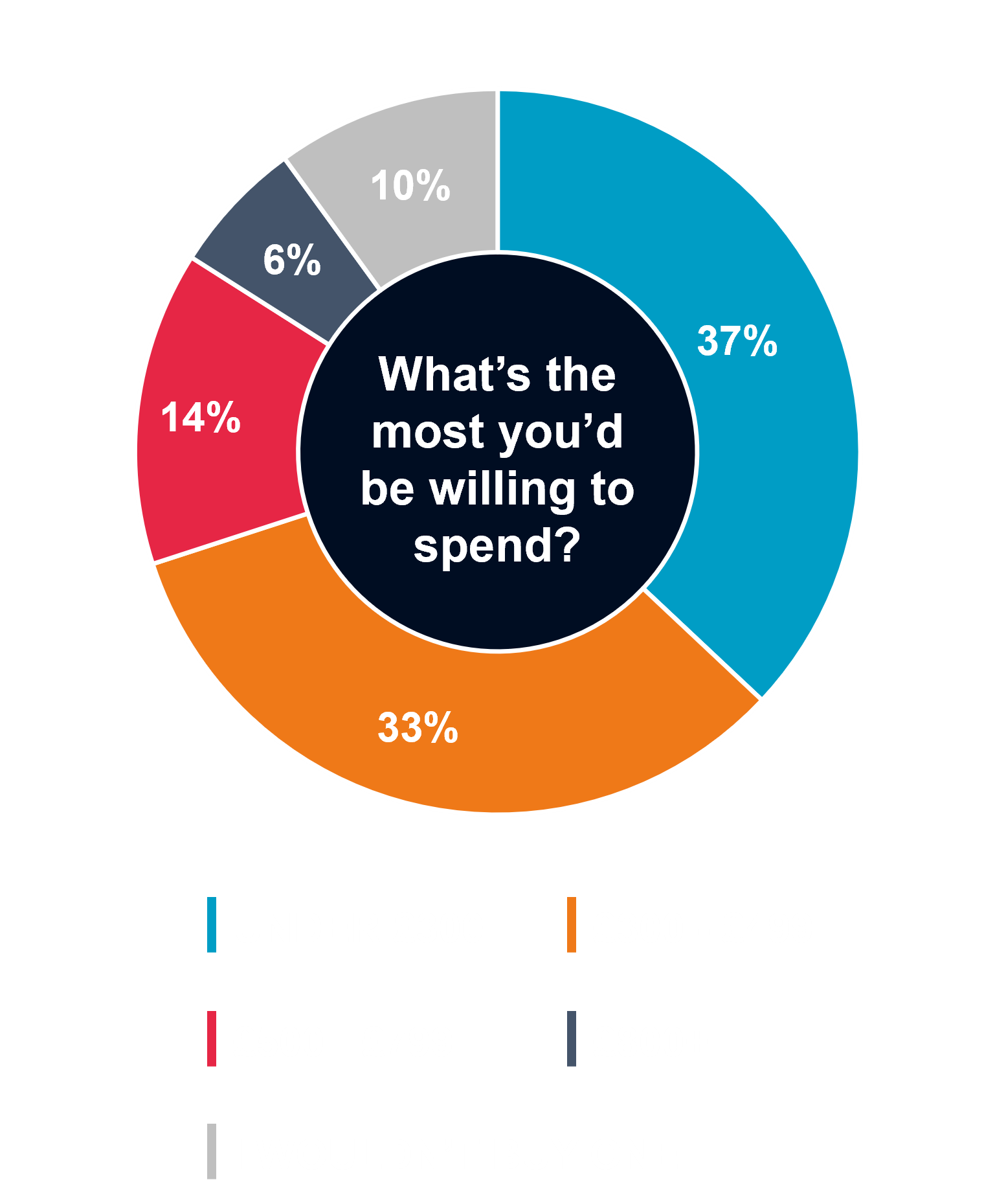
More than half (52%) of respondents identified upfront cost as a reason they might not buy a kit. There is also a clear price threshold: 70% would be unwilling to spend more than £500 on the panels themselves.
Consumers also have high expectations of the financial return. Three quarters (75%) expect a plug-in solar kit to pay for itself within five years or less.
Alongside the initial purchase price, uncertainty about potential savings is another obstacle. Almost three in ten respondents are unsure how much they could save by installing a kit.
This creates a clear challenge for the sector. Consumers may be interested in the technology, but they need to understand the likely costs, savings and payback period before feeling confident enough to invest.
Clear, realistic information about performance and financial benefits could therefore play an important role in supporting adoption.
Legal, but not understood: three quarters don’t know the rules
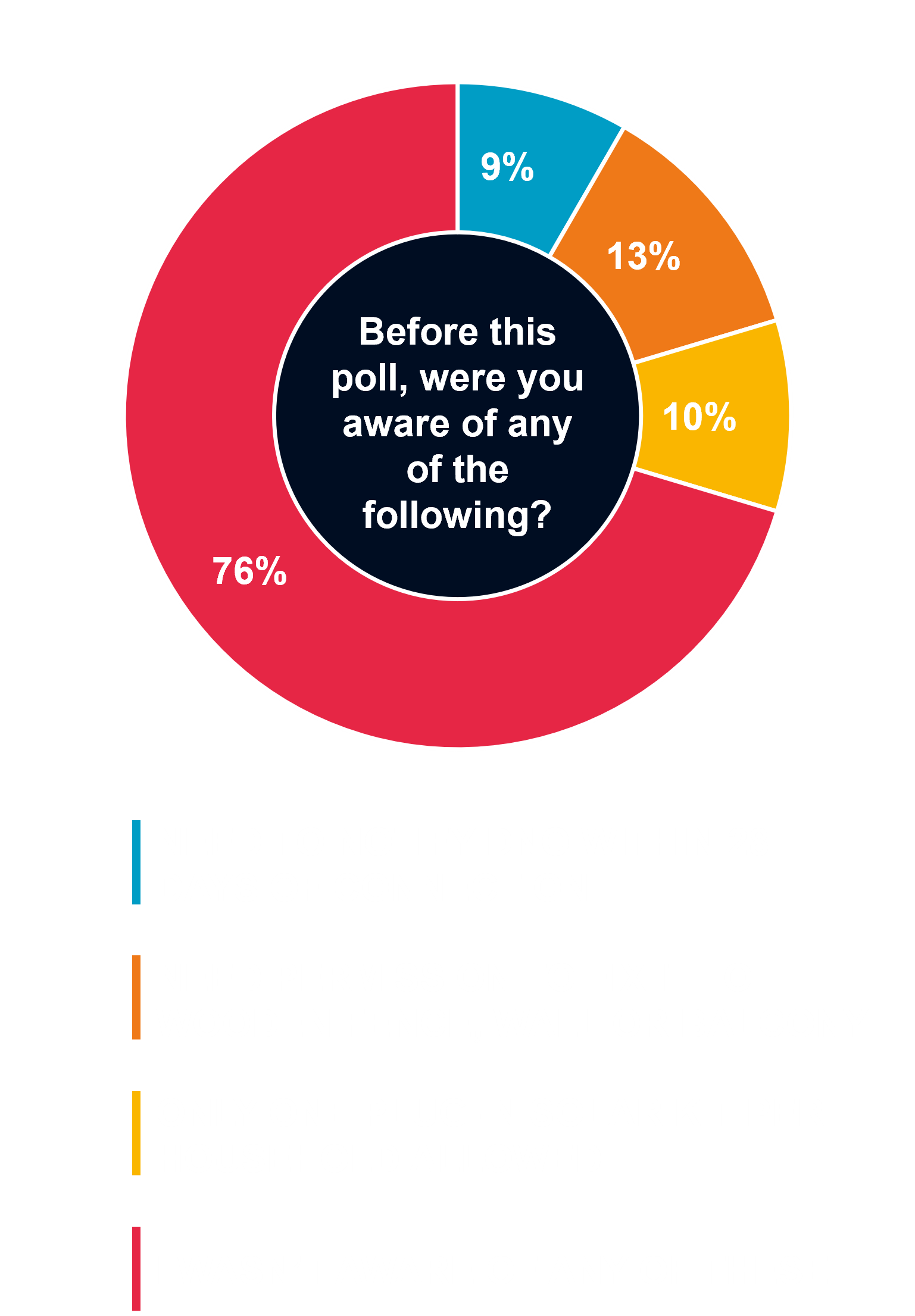
Since 27 August, plug-in solar kits have been legal to buy and use in Great Britain, as long as they meet the required safety standards. But our research shows that three quarters of people are unaware of the rules around plug-in solar.
This matters. Not every kit on the market will be compliant, and products that haven’t been properly certified can carry real electrical and fire risks. Consumers who are keen to cut their bills but don’t know what to look for may be more likely to buy cheaper, unverified kits, especially given that 70% don’t want to spend more than £500.
It also gives trusted organisations a clear role. Respondents said they would turn to government bodies, consumer advice organisations and their energy supplier for information, so those organisations are well placed to explain what a safe, compliant kit looks like and how it should be used.
What would give consumers confidence to buy?
As an emerging technology for many households, plug-in solar needs to feel straightforward, reliable and safe.
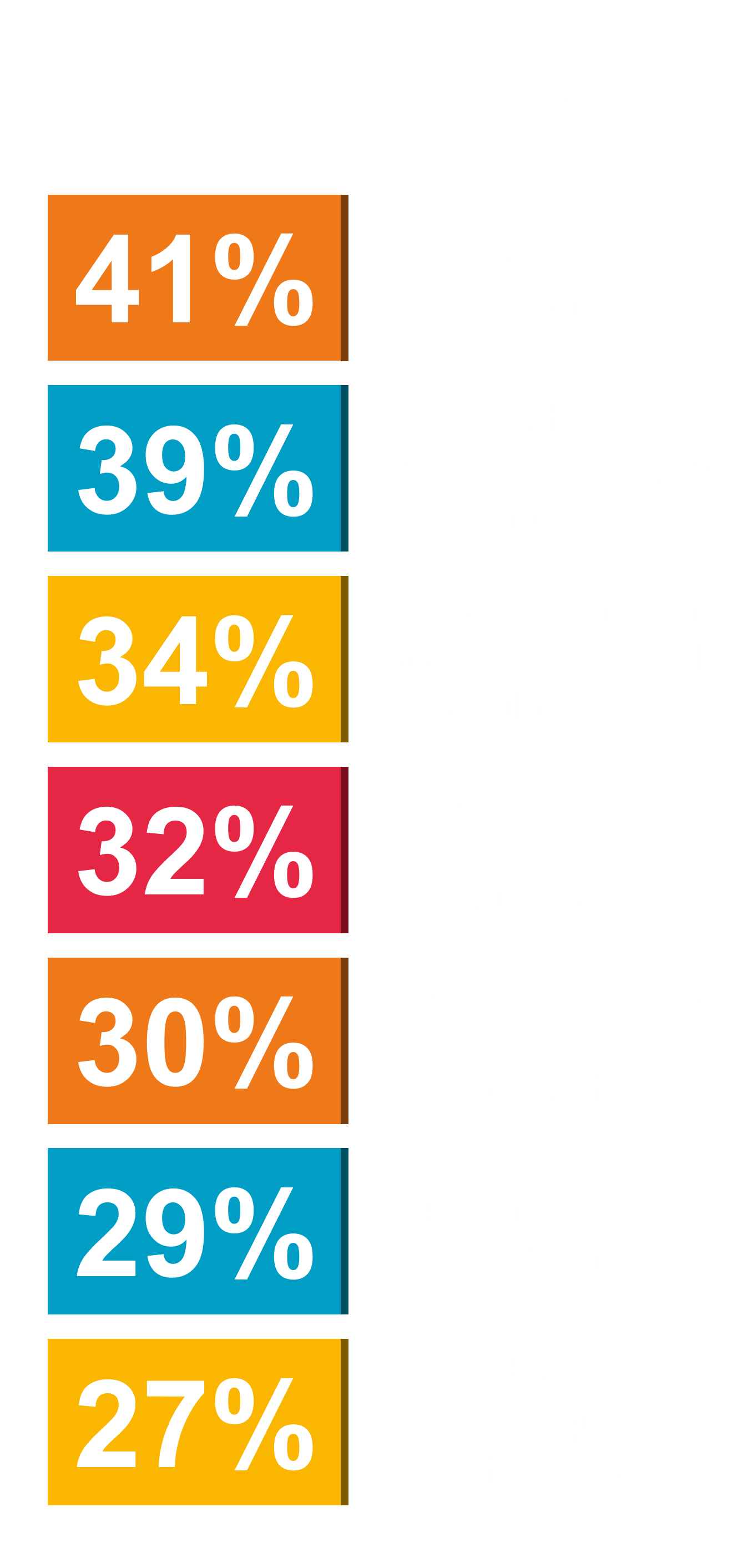
When asked what would increase their confidence in buying a kit, respondents most commonly selected:
A good warranty (41%).
Clear installation instructions (39%).
People also identified government bodies, consumer advice organisations and their energy supplier as sources they would turn to for more information.
This is an important consideration. Even where consumer appetite exists, uncertainty about what is permitted, how systems should be installed and what requirements apply could discourage people from taking the next step.
Trusted organisations therefore have an important role in helping consumers access clear, consistent and practical guidance.
What does this mean for your organisation?
The findings suggest that plug-in solar could attract considerable consumer interest, but awareness, affordability and confidence will influence how quickly that interest translates into adoption.
For organisations working within the energy industry, there are several considerations:
Consumer education: Low awareness and limited understanding of the rules highlight the need for accessible, trusted information about emerging technologies.
Affordability: High upfront costs and expectations around payback periods suggest that financial considerations will be central to adoption.
Changing customer expectations: Interest in battery storage and backup power indicates that consumers increasingly see energy technologies as a way to improve both affordability and resilience.
Different consumer motivations: Age and other demographic differences suggest that engagement should reflect what matters to different groups, whether that is saving money, environmental benefits or energy security.
Future network planning: As more households explore ways to generate and store their own electricity, understanding potential consumer uptake will be increasingly relevant to long-term energy system planning.
Note: Figures in this report may not sum due to rounding.
About this research
These findings are based on a nationally representative survey of 500 Britons exploring awareness, attitudes and purchase intentions towards plug-in solar technology and battery storage.
The research forms part of our ongoing thought leadership polling programme, examining public attitudes towards issues affecting regulated industries.
We can provide further breakdowns of the findings by region, age, gender and housing type, helping organisations understand how interest and barriers vary across different customer groups.
Delivered in partnership with

Want to explore what these findings mean for your organisation? Get in touch to discuss the research, request a more detailed breakdown or explore working with us on future polling. You can also follow us on LinkedIn or sign up to our newsletter to receive future insights.